Optimizing Your Home's HVAC System for Energy Efficiency May 11, 2026
The journey to an efficient HVAC system begins with regular maintenance. Dust and dirt accumulate over time, causing the system to work harder, thus increasing energy usage. Scheduled maintenance should include changing air filters every one to three months and conducting annual professional inspections. This proactive care ensures systems run smoothly, avoids unexpected breakdowns, and enhances HVAC system longevity.
Next, it’s important to optimize thermostat settings. Programmable thermostats are a valuable tool in managing energy consumption. By setting the thermostat to lower heating or cooling during unoccupied periods and adjusting it to comfortable levels when at home, significant energy savings can be achieved. Smart thermostats take it a step further, learning your schedule and preferences, and adjusting temperatures automatically for optimal efficiency.
Ensuring your home is adequately insulated is another step towards energy efficiency. Poor insulation allows heat to escape during winter and enter during summer, making your HVAC system work overtime. Check attics, walls, and windows for proper insulation, and consider weather-stripping doors and windows to prevent drafts. This minimizes the load on your HVAC system, conserving energy.
Ductwork inspection is often overlooked but is a vital part of HVAC efficiency. Leaks or blockages in ducts result in loss of conditioned air, forcing the system to use more energy. Regularly inspect, clean, and seal ductwork to eliminate leaks and improve airflow. This simple action can enhance system performance dramatically.
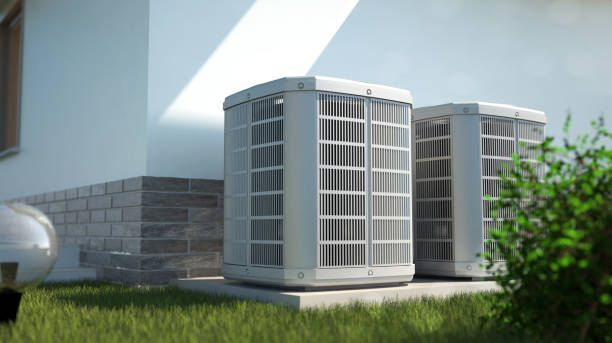
Upgrading to energy-efficient HVAC equipment also plays a significant role. Modern HVAC systems are designed to use less energy while providing optimal comfort. Look for units with ENERGY STAR certification, indicating they meet strict energy efficiency guidelines set by the U.S. Environmental Protection Agency. Such an investment not only lowers energy bills but also increases home value.
Another effective strategy is the use of ceiling fans to circulate air throughout your home. Fans use less energy than HVAC systems and can help even distribution of air to prevent overuse of heating or cooling in particular areas. When used in conjunction with the HVAC system, ceiling fans can maintain ideal indoor temperatures more efficiently.
Finally, consider supplementing your HVAC system with renewable energy sources. Solar panels, for instance, can provide free, sustainable energy to power your HVAC system. While the initial investment may be significant, the long-term savings and environmental benefits are considerable.
In conclusion, optimizing your home's HVAC system for energy efficiency involves several actionable steps: regular maintenance, smart thermostat use, ensuring proper insulation, inspecting ductwork, upgrading to efficient equipment, and considering renewable energy options. Each of these measures will contribute to reducing energy consumption and utility bills. At The Cold Standard, we pride ourselves on providing professional HVAC services to help achieve these goals, ensuring comfort and efficiency for your home year-round.
/filters:no_upscale()/filters:format(webp)/media/94c043cb-2871-4e5f-9e42-9aefc36590ac.jpeg)
/filters:no_upscale()/filters:format(webp)/media/ee692ced-06f6-473d-800e-69b3304e65cc.jpeg)