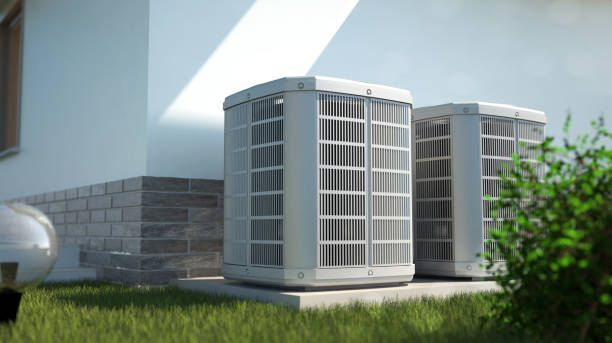
Optimizing Your HVAC System for Seasonal Changes May 27, 2026
Begin by understanding the importance of regular maintenance. Consistent servicing is essential not only to extend the life of your HVAC system but also to keep it running efficiently. During seasonal changes, it’s crucial to have a professional check your system for any potential issues. This includes checking filters, inspecting ducts, and verifying thermostats are functioning correctly. A pre-season check-up helps prevent those unexpected breakdowns that seem to occur during extreme weather conditions.
Next, consider upgrading your thermostat to a programmable or smart version. These devices allow you to tailor your HVAC operation specifically for your family's schedule. With a programmable thermostat, you can set it to lower energy use while you’re away or asleep, thus saving on electricity without sacrificing comfort. A smart thermostat can learn your habits over time and adjust itself automatically, offering even greater efficiency.
Do not overlook the importance of a proper airflow. As temperatures fluctuate, ensuring that all vents and registers are unobstructed is key. Blocked airflow can cause the system to work harder than needed, reducing efficiency and increasing utility bills. Be sure to keep furniture, drapes, and carpets clear from blocking air circulation around vents. Additionally, consider adding or replacing insulation to maintain indoor temperatures without overloading your HVAC units.
Seasonal changes are also the perfect time to evaluate your home's air quality. Swap out furnace filters regularly, ideally every one to three months, depending on usage and the type of filter. Upgraded high-efficiency particulate air (HEPA) filters can trap more contaminants like pollen and dust, improving air quality significantly. This simple action not only maintains system efficiency but can also offer substantial health benefits.
It's also wise to schedule duct inspections as the seasons change. Over time, dust and debris can accumulate in your ducts, impeding airflow and straining your system. Duct cleaning every few years can enhance air quality and ensure optimum performance.
Lastly, consider the impact of ceiling fans on airflow as the weather changes. In the winter, set your fan blades to rotate clockwise at low speed to help distribute warm air that naturally rises to the ceiling. Conversely, during the cooling season, a counterclockwise rotation helps to push cool air down, enhancing the cooling effect without putting additional strain on your air conditioning.
In conclusion, optimizing your HVAC system for seasonal changes is about balancing efficiency and comfort. Here at The Cold Standard, we believe in empowering homeowners with actionable knowledge that leads to better energy management and a comfortable living environment. By following these steps, you're not only extending the life of your HVAC system but also optimizing performance year-round. For personalized service and expert advice, always feel free to reach out to our team, who are ready to ensure your system is in prime condition for any weather.
/filters:no_upscale()/filters:format(webp)/media/94c043cb-2871-4e5f-9e42-9aefc36590ac.jpeg)
/filters:no_upscale()/filters:format(webp)/media/ee692ced-06f6-473d-800e-69b3304e65cc.jpeg)